Automated Lube Systems Versus Manual Greasing Which is Right for Your Fleet
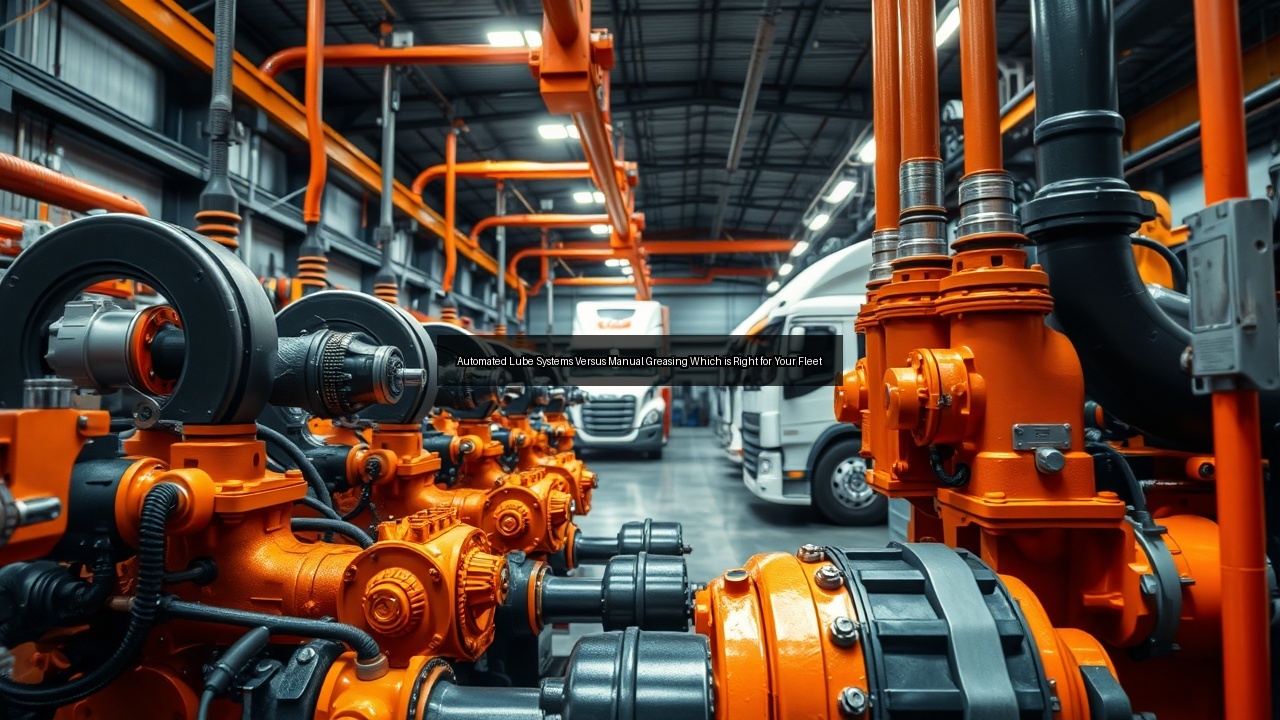
Understanding Automatic Lubrication Systems
What is an Automatic Lubrication System?
An automatic lubrication system delivers precise amounts of lubricant to bearings and other moving parts at set intervals without manual intervention. Fleets rely on this automation to keep trucks and trailers running smoothly across long hauls. The technology replaces sporadic greasing routines with consistent oil or grease application that protects components from wear. Operators notice fewer breakdowns once the system integrates into daily operations. Automatic lubrication systems work especially well on vehicles that accumulate high mileage, such as delivery fleets or construction equipment. They maintain optimal pressure and quantity levels that manual methods often miss during rushed stops.
Key Components of Automatic Lubrication Systems
Every automatic lubrication system includes a central pump or reservoir that stores lubricant, distribution lines, and metering valves. Connectors link the pump to individual bearings while controllers regulate timing and pressure. Some models add sensors for condition monitoring that track flow rates and alert technicians to low levels. Pumps deliver either oil or grease depending on the application, and spray nozzles handle hard-to-reach points on compressors or chassis. These parts combine to create reliable lubrication cycles that fleets program according to usage data. Quality connectors prevent leaks and ensure every point receives the correct dose during operation.
How Do Automatic Lubricators Work?
Automatic lubricators operate through timed cycles that activate the pump to push lubricant through lines to designated points. The system builds pressure, opens metering devices, and dispenses exact quantities before resetting for the next interval. Sensors monitor bearing temperatures and vibration to adjust delivery when conditions change. Fleets program these units via simple interfaces that match vehicle schedules. Lubricant moves from the reservoir through progressive or parallel distributors that guarantee each bearing receives protection. This process eliminates the guesswork common in manual greasing and maintains consistent film strength across all components.
Benefits of Automated Lube Systems
Increased Reliability and Consistency
Automatic lubrication systems deliver lubricant at exact intervals, which keeps bearings properly protected during continuous operation. Trucks experience steadier performance because grease or oil reaches critical points before friction causes damage. Fleets report higher uptime when they switch from random manual applications to programmed cycles. Reliability improves further with condition monitoring that flags issues early. Consistent lubrication also extends the life of pumps and compressors by preventing dry starts. Operators gain confidence knowing every bearing receives the right quantity regardless of shift changes or weather conditions.
Reduction in Maintenance Costs
Fleets cut maintenance costs when automatic lubrication systems replace frequent manual greasing stops. Fewer repairs arise because bearings stay lubricated and avoid premature failure. The technology reduces labor hours spent on greasers and lowers the volume of lubricant wasted through over-application. Data centers that track fleet metrics often show drops in parts replacements after installation. Pumps and lines require minimal attention once calibrated, freeing technicians for higher-value tasks. Over months, these savings compound as vehicles spend less time in the shop for lubrication-related issues.
Enhanced Safety and Reduced Downtime
Automatic lubrication systems improve safety by removing technicians from hazardous positions under vehicles during greasing. Workers avoid slips on grease spills and exposure to high-pressure lines. Downtime shrinks because lubrication occurs while trucks remain in service or during brief scheduled halts. Fleets that adopt automation see fewer emergency repairs that halt operations for days. The system maintains pressure and flow even on long routes, preventing sudden bearing seizures. Overall, operations run smoother with fewer interruptions tied to lubrication failures.
Manual Greasing: Pros and Cons
Overview of Manual Greasing Techniques
Manual greasing involves technicians using handheld guns to apply lubricant directly to fittings on trucks and trailers. Workers follow routes around each vehicle, checking zerk points and adding grease until resistance builds. This hands-on method allows visual inspection of seals and connectors during the process. Fleets with small operations often prefer this approach because it requires only basic tools and training. Technicians can adjust quantity based on immediate observations of wear or contamination. Many shops still use manual techniques for specialty equipment where access limits automated line installation.
Challenges of Manual Greasing
Manual greasing creates inconsistent coverage because human error leads to missed points or over-greasing. Technicians may skip fittings in hard-to-reach areas on complex chassis, leaving bearings vulnerable. Time pressure during busy periods often results in rushed applications that fail to reach proper pressure. Labor costs rise with larger fleets, and safety risks increase when workers crawl under vehicles. Contamination enters open fittings more easily during manual sessions. Fleets also struggle with record-keeping, making it hard to track lubrication history across multiple trucks and trailers.
When Manual Greasing is the Better Option
Manual greasing suits small fleets with low daily mileage or seasonal vehicles that sit idle for months. Operators gain direct tactile feedback that reveals early automatic lube system bearing problems during the greasing visit. Some older equipment lacks mounting points for pumps and lines, making automation impractical. Fleets that perform frequent visual inspections alongside greasing benefit from the combined task. Short-haul operations with easy access to service bays find manual methods sufficient and cost-effective. In these cases, the simplicity of manual techniques outweighs the setup required for automatic lubrication systems.
Comparative Analysis: Automated vs. Manual
Efficiency and Speed of Lubrication
Automatic lubrication systems complete cycles in minutes while vehicles operate, whereas manual greasing requires dedicated shop time that removes trucks from revenue service. Pumps work continuously without fatigue, delivering consistent results across every bearing. Manual methods demand physical effort that slows as technicians tire during long shifts. Automated units handle multiple points simultaneously through distribution lines, speeding the entire process. Fleets measure efficiency gains in hours saved per vehicle per month. Speed advantages become clear during high-volume operations where every minute of downtime costs money.
Impact on Repair and Maintenance
Automatic lubrication systems reduce repair frequency by maintaining steady lubricant films that prevent metal-to-metal contact. Bearings last longer, which lowers the number of replacements in the maintenance schedule. Manual greasing often leads to overlooked points that fail unexpectedly and trigger chain reactions of repairs. Automation integrates with condition monitoring to predict issues before they escalate. Fleets track fewer emergency calls once pumps and lines take over routine tasks. Overall repair and maintenance expenses drop as lubrication quality improves across the entire fleet.
Cost Analysis Over Time
Initial investment in automatic lubrication systems pays back through lower labor and parts costs within one to two years for most medium fleets. Manual greasing appears cheaper upfront but accumulates expenses from inconsistent application and higher failure rates. Fuel efficiency improves slightly when bearings run with proper lubrication instead of excess drag. Fleets calculate total ownership costs by factoring downtime, lubricant waste, and technician hours. Automatic options show stronger returns on vehicles that log high annual miles. Long-term data favors automation for operations focused on reliability and predictable budgeting.
Choosing the Right Lubrication System for Your Fleet
Evaluating Your Fleet's Needs
Fleet managers start by reviewing mileage records, operating environments, and current lubrication intervals to determine whether an automatic lubrication system fits. Vehicles that travel long distances benefit most from continuous protection. Harsh conditions such as dust or extreme temperatures increase the value of automated delivery. Managers also assess available technician time and shop space for installation. Data from condition monitoring helps identify which trucks need priority upgrades. Clear goals around reliability and maintenance costs guide the final decision between automation and manual methods.
Considerations for Different Types of Vehicles
Heavy-duty trucks and trailers require robust pumps capable of handling multiple lubrication points across long frames. Smaller delivery vans may need compact automatic lubricators that fit tight engine compartments. Construction equipment with exposed bearings favors systems that resist vibration and contamination. Compressor-equipped vehicles benefit from dedicated lines that protect both drivetrain and auxiliary components. Fleets with mixed assets often install automatic lubrication systems on high-use units first. Vehicle age and remaining service life also influence whether automation justifies the installation effort.
Brands and Models of Automatic Lubricators to Consider
Leading brands offer automatic lubricators with varying capacities, from single-point units to centralized pumps that serve entire chassis. Models from established manufacturers provide modular designs that adapt to trucks, trailers, and specialized equipment. Fleets compare features such as programmable timers, pressure sensors, and refill ease before purchase. Some units integrate with telematics for remote monitoring of lubricant levels. Reliable connectors and durable lines matter for long-term performance in demanding applications. Reviewing specifications against fleet requirements helps select the right automatic lubrication system for sustained results.
See Also
- The Future of Condition Monitoring in Data Centers through Automated Lubrication
- Exploring the Top Brands of Automatic Lubrication Solutions on the Market
- Understanding the Impact of Lubrication Technology on Maintenance Costs
- Choosing the Right Automatic Lubrication System for Your Compressor Needs
- How Automatic Lubrication Systems Enhance Reliability in Heavy-Duty Trucks